

University of Luzon Begins a New Architectural Tradition Through TANGLAW 2026
Posted on 1st of Sep 2026 by UL Administrator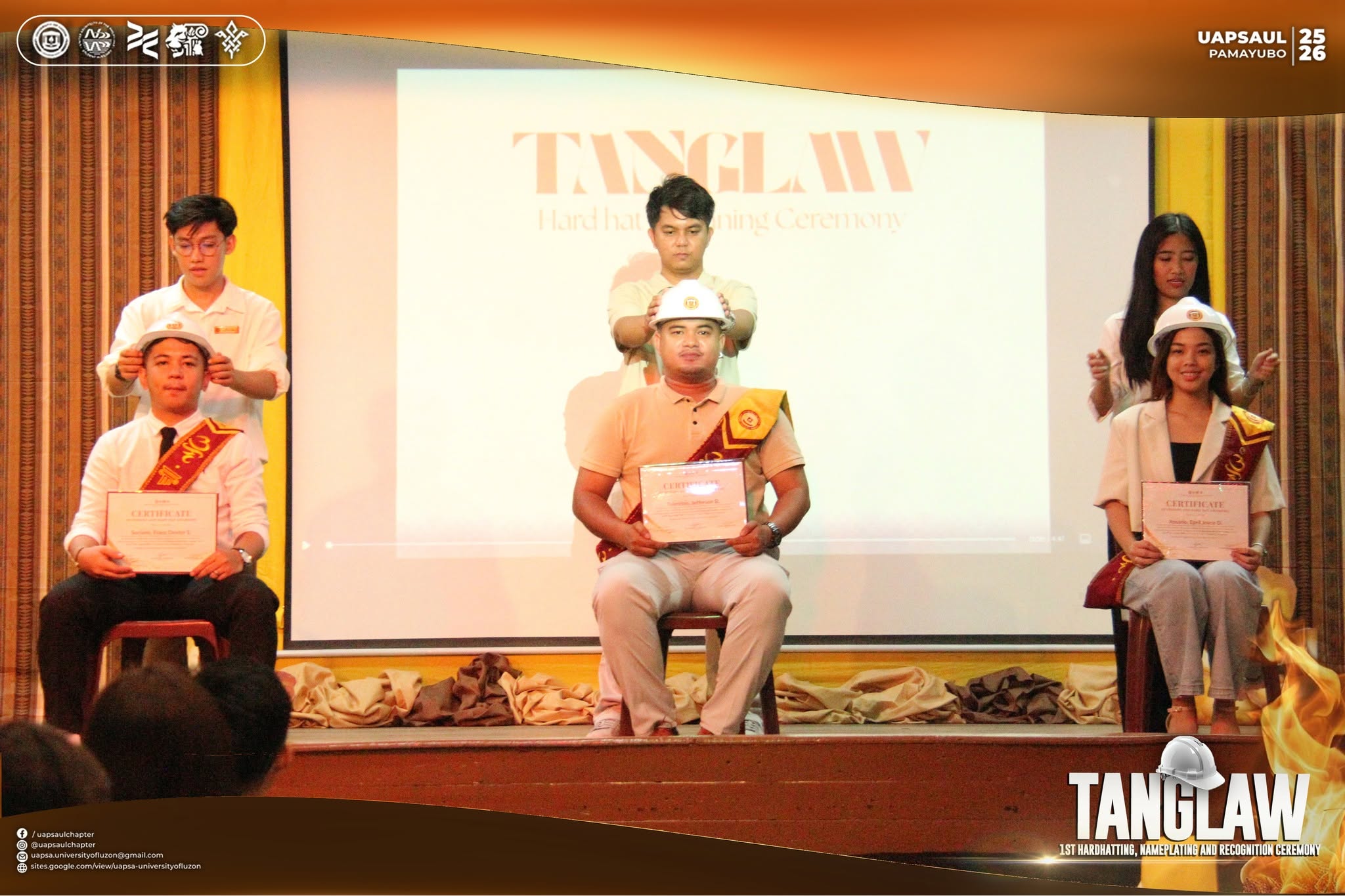
Architectural learning took on added significance at the University of Luzon as aspiring architects received symbols of responsibility and recognition for their progress toward the profession.
TANGLAW 2026: The 1st Architecture Department Hardhatting, Nameplating, and Recognition Ceremony brought together Architecture students for an occasion that recognized their dedication, perseverance, and developing skills. The activity was organized by the College of Engineering and Architecture with CEA Student Council and United Architects of the Philippines Student Auxiliary – UL Chapter, reflecting the active role of student organizations in enriching the educational experience at UL.
Held on April 17, 2026, the ceremony featured the formal presentation of hardhats and nameplates, along with recognitions for student achievements. The hardhat represented the responsibility and commitment associated with the architectural profession, while the nameplate signified the students’ growing professional identity.
For the University of Luzon, initiatives that connect classroom learning with professional preparation help students build the skills, confidence, and awareness needed for their future careers. Through experiences that complement professional education, UL continues to provide opportunities for learners to understand the responsibilities that accompany their chosen fields.
The activity demonstrates how meaningful educational experiences can contribute to broader goals for inclusive and sustainable development. These efforts support the United Nations Sustainable Development Goals by strengthening learning opportunities and preparing students for future professional roles. By fostering professional education, practical training, and skills development, the activity advances SDG 4: Quality Education. By introducing students to the responsibilities and practices connected to the architectural profession, it contributes to SDG 9: Industry, Innovation and Infrastructure. By encouraging awareness of the built environment and the role of future architects in shaping communities, it supports SDG 11: Sustainable Cities and Communities.
Through TANGLAW 2026, the University of Luzon continues to nurture students as they develop the knowledge and capabilities needed to contribute meaningfully to the architectural profession and the communities they will eventually serve.