

University of Luzon and Sangguniang Panlungsod Forge Partnership for Legislative Research and Internship
Posted on 7th of Jan 2026 by UL Administrator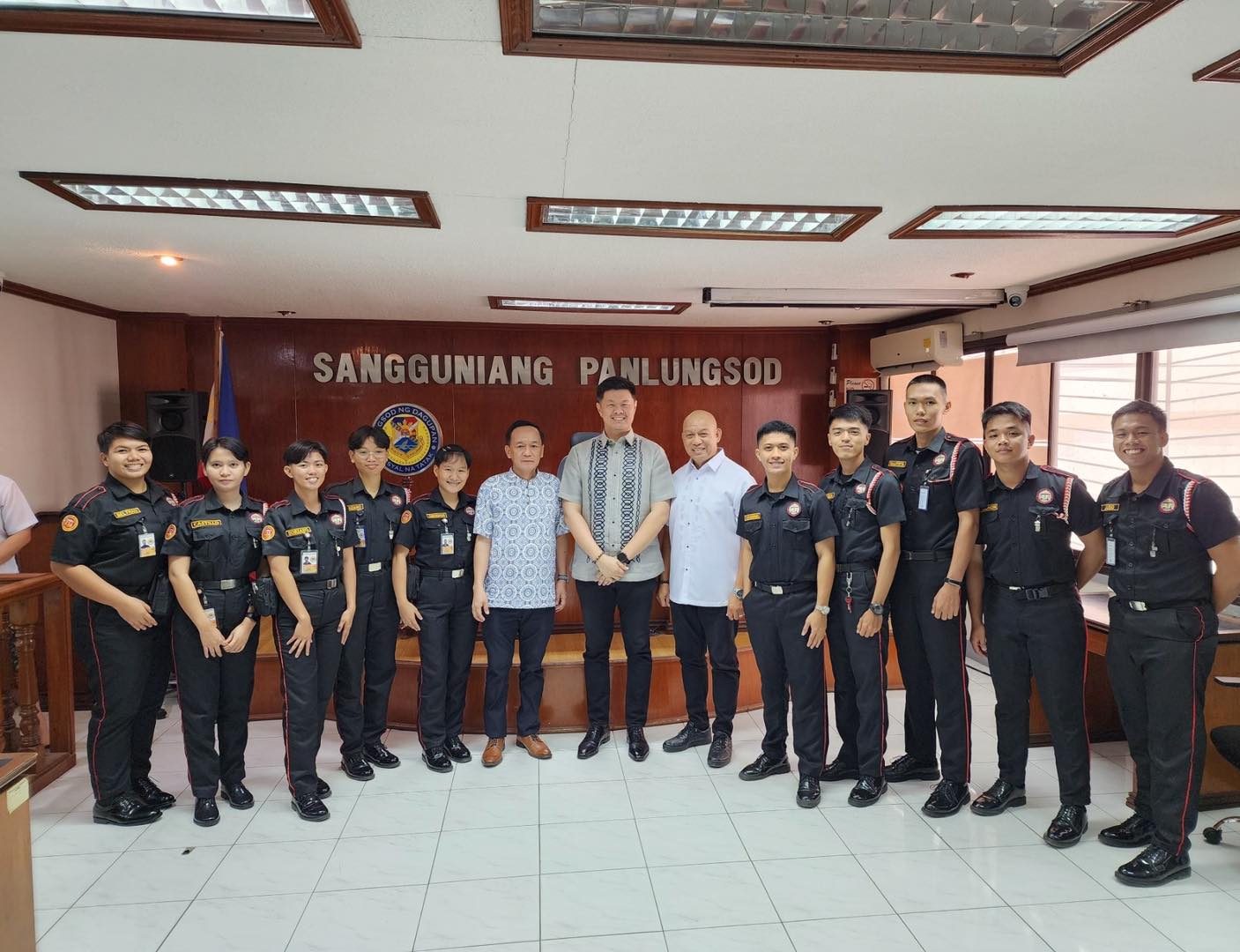
The University of Luzon has officially entered into a transformative partnership with the Sangguniang Panlungsod of Dagupan City through a Memorandum of Understanding aimed at enhancing the academic and professional development of Criminology students. Formalized by Dr. Dante A. De Castro, Officer-in-Charge and Dean of the College of Criminology, and Honorable Dean Bryan L. Kua, City Vice Mayor and Presiding Officer, the agreement marks a significant milestone in integrating classroom theory with the practical complexities of local governance. Effective as of January 5, 2026, this year-long collaboration provides a structured framework for Luzonians to immerse themselves in the legislative environment, ensuring that the next generation of law enforcement and public safety professionals possesses a nuanced understanding of how local ordinances are crafted, debated, and implemented. By facilitating a 270-hour practicum, the University of Luzon ensures its students gain invaluable exposure to the inner workings of the city’s legislative sessions and committee hearings, thereby bridging the gap between legal scholarship and civic duty.
Under the terms of this agreement, the College of Criminology assumes the responsibility of rigorous candidate screening and orientation, emphasizing the high standards of ethics and confidentiality required within the halls of the Sangguniang Panlungsod. Faculty Coordinator Mr. Ireneo Soriano Jr. has been appointed to oversee the deployment and performance of the interns, ensuring that the academic objectives of the university align with the administrative needs of the city. Conversely, the Sangguniang Panlungsod has committed to providing a conducive learning environment where students are not merely observers but active participants in evidence-based research. This collaboration is particularly focused on critical areas such as public safety, crime prevention, and traffic management, where student researchers will assist in gathering data to support the formulation of impactful local legislation. To ensure the program’s integrity and legal standing, the Memorandum of Understanding strictly adheres to the mandates of the Local Government Code of 1991 and various Commission on Higher Education (CHED) memorandum orders governing student internship programs in the Philippines.
The inaugural batch of interns, who commenced their duties on the same day the agreement took effect, represents a diverse and capable group of Luzonians ready to contribute to the city’s progress. Led by Team Leader Edison Jugo and Deputy Leader Chrizel Ashley F. Manzano, the group includes Nasren Beltran, Charisse Cabanganan, Sunshine Soriano, Nathaniel Claveria, Giovani Mangonon Jr., Ruel Bautista Jr., Elma P. Castillo, Bradley Claude C. Benavides, Jessamae Dancel, and Keanu D. Rioferio. These students are tasked with supporting the SP’s legislative agenda while under the mentorship of seasoned city officials. By granting these interns access to non-confidential documents and involving them in the administrative functions of the Vice Mayor’s office, the city is investing in a more informed and engaged citizenry. Upon completion of their service, the students will receive formal Certificates of Completion, documenting their contributions to the legislative body and their readiness for future professional challenges in the field of criminology.
This partnership aligns with several United Nations Sustainable Development Goals (SDGs), most notably SDG 4: Quality Education, by providing students with hands-on, high-level training that transcends traditional textbook learning. Furthermore, by involving Criminology students in research pertaining to crime prevention and local safety ordinances, the initiative directly supports SDG 16: Peace, Justice, and Strong Institutions, fostering a more transparent and effective local government. Finally, the collaboration exemplifies SDG 17: Partnerships for the Goals, demonstrating how academic institutions and government bodies can work in synergy to promote sustainable community development and the rule of law.