
Project UL: Uplifting Learners, Boosting Literacy Through University of Luzon’s Summer Reading Programs
Posted on 12th of Dec 2025 by UL Administrator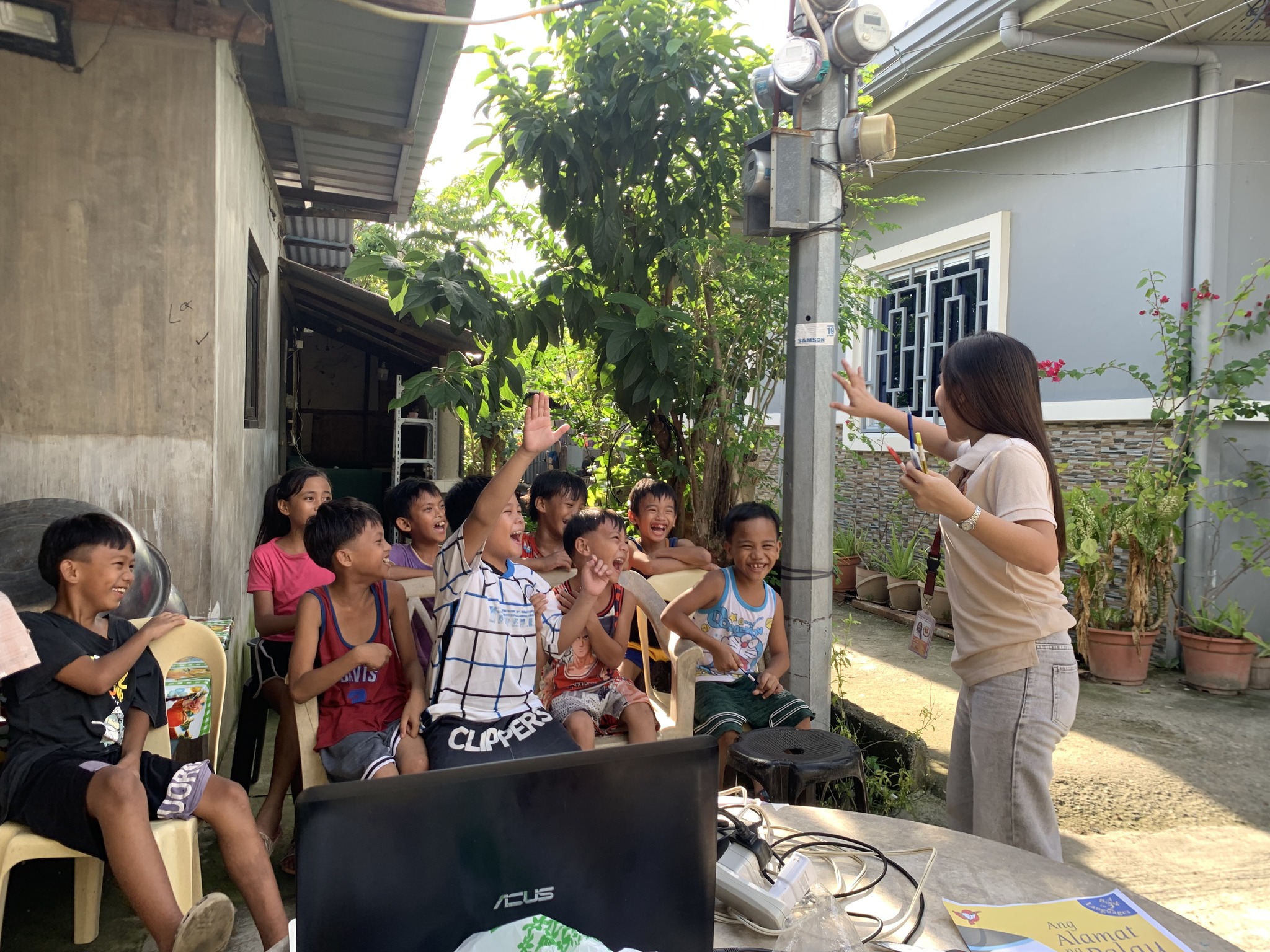
The University of Luzon (UL) has reaffirmed its deep-seated commitment to service learning and community upliftment through the sustained success of Project UL: Uplifting Learners, Boosting Literacy Through Summer Reading Programs. This pivotal, ongoing community-based literacy initiative, spearheaded by the University of Luzon College of Education, was established in 2022 to strengthen foundational literacy skills among kindergarten and elementary pupils throughout various barangays in Pangasinan. The program strategically engages future educators, allowing practice teachers to implement the initiative immediately following their rigorous teaching internships in public and private schools. This model not only extends UL’s reach into the community but also provides a vital avenue for these Luzonians to apply and enhance their pedagogical competence in a dynamic, non-traditional learning environment, solidifying their transition from students to expert practitioners.
The project’s implementation is inherently strategic, conducted directly within the hometowns and local communities of the practice teachers. This decentralized approach ensures maximum accessibility, cultural relevance, and fosters robust engagement with local stakeholders. By bringing structured and intensive reading sessions directly into the barangays during the school break, Project UL directly addresses the persistent learning gaps that have been magnified by academic disruptions and limited access to enrichment activities outside of the regular school calendar. The core mission of the initiative revolves around measurable objectives: significantly improving learners’ reading proficiency, cultivating a deep and genuine appreciation for books, supporting comprehensive academic growth through enhanced comprehension skills, and ultimately strengthening collective community participation in the crucial sphere of child literacy development.
Project UL’s curriculum is rich and multifaceted, designed to make learning engaging and meaningful for young participants. The program features daily guided reading sessions, interactive literacy workshops, spirited storytelling activities, stimulating creative writing tasks, and reading comprehension games. The entire structure is carried out by the practice teachers and trained volunteers who serve as dedicated literacy mentors, ensuring personalized assistance and tailored encouragement for struggling and emerging readers alike. Recognizing that literacy is a shared family responsibility, the project also places significant emphasis on family engagement. This includes parent workshops designed to equip households with practical, effective strategies to foster and support their children’s reading habits and continuous learning at home. Furthermore, every participating learner gains access to essential educational resources, including age-appropriate books and digital materials specifically curated to match their individual reading levels.
Since its inception, the annual summer program has consistently demonstrated tangible positive outcomes, contributing measurably to improved reading motivation, the development of stronger comprehension skills, and enhanced school readiness for participating learners. Project UL is a clear manifestation of the University of Luzon’s overarching mission to uplift surrounding communities through educational initiatives that are inclusive, sustainable, and fundamentally centered on the learner. This long-term commitment goes beyond temporary academic fixes, aiming instead to build enduring capabilities within the community fabric.
The sustained efforts of Project UL directly align with several key United Nations Sustainable Development Goals (SDGs), demonstrating the University of Luzon’s role as a leading global citizen. The primary alignment is with SDG 4: Quality Education, specifically targeting sub-goal 4.6 (literacy and numeracy), by strengthening foundational reading skills among children and ensuring they have access to effective learning opportunities outside of the formal school year. The initiative’s focus on community and parental workshops further supports this goal by building inclusive and equitable learning environments. Furthermore, by mobilizing its own students (Luzonians) as community partners and service providers, the program contributes to SDG 17: Partnerships for the Goals, showcasing how academic institutions can collaborate with local communities to implement effective, targeted development programs. The project’s inherent design—addressing poverty barriers by bringing free, high-quality resources to local barangays—also provides foundational support for SDG 1: No Poverty, recognizing that literacy is an essential tool for social mobility and breaking the cycle of disadvantage.