

University of Luzon Civil Engineering Delegation Engages in Regional Technology Conference
Posted on 6th of Dec 2025 by UL Administrator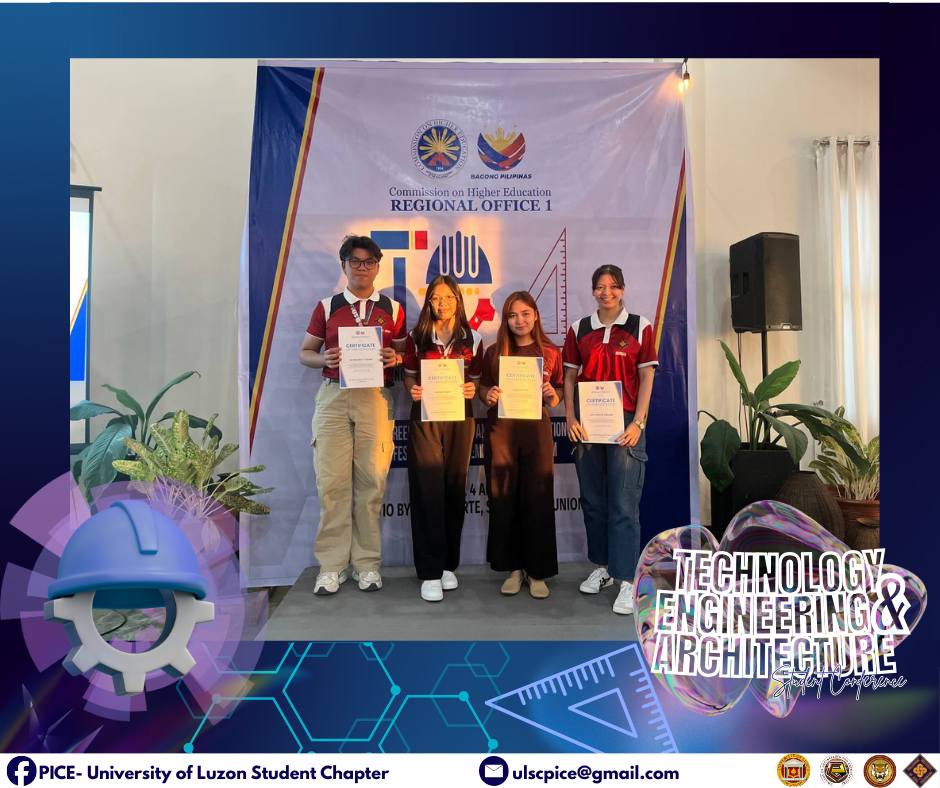
The pursuit of academic excellence blended with professional preparedness was recently underscored by the proactive participation of the University of Luzon’s Civil Engineering students and faculty in the Commission on Higher Education (CHED) Regional Office 1 Technology, Engineering, and Architecture Student Conference (TEA StudeCon). This significant, full-day event, dedicated to cementing learning frameworks, aligning educational outcomes with industry demands, and ensuring robust professional readiness, marks another milestone in the University’s commitment to fostering globally competitive graduates.
Held on December 4, 2025, the conference convened at the scenic Patio by Balai Norte in San Juan, La Union, serving as a dynamic regional hub for intellectual exchange. The day’s agenda was rigorously structured around critical themes impacting the future of engineering practice. These technical sessions focused intently on several pillars of professional development: effectively bridging the divide between education and employment, enhancing the structure and scope of internship and partnership programs, critically integrating research methodologies into everyday engineering practice, and optimizing existing curriculum and review programs to meet contemporary licensure and industrial standards. The delegation from the University of Luzon engaged directly with presentations and dialogues led by a distinguished roster of experts, including key representatives from various government agencies, specialized industry sectors, and prominent academic institutions across the region.
This exposure provided the attending Luzonians with invaluable, cutting-edge knowledge essential for navigating the complexities of today’s fast-evolving professional environment. For future Civil Engineers, understanding the current demands for sustainable practices, technological integration, and ethical responsibility is non-negotiable. The comprehensive discussions allowed the students to gain deep insights into regulatory compliance, best practices in project management, and the role of innovation in developing resilient infrastructure—all crucial components for success in the fourth industrial revolution era. The conference experience reinforces the core principle that professional success stems not only from theoretical mastery but also from practical, informed application.
The active and enthusiastic involvement of the Civil Engineering delegates from the University of Luzon serves as a powerful testament to the institution’s unwavering dedication to producing graduates who are not only competent technicians but also industry-ready and globally competitive leaders. This commitment goes beyond meeting accreditation standards; it is a foundational investment in the future workforce that will design, build, and sustain the nation’s progress. By facilitating opportunities such as the TEA StudeCon, the University ensures its programs remain relevant, forward-thinking, and in lockstep with the evolving landscape of professional engineering, ultimately empowering Luzonians to make substantial, impactful contributions upon graduation.
The participation of the Civil Engineering program in the CHED RO1 TEA StudeCon directly aligns with several United Nations Sustainable Development Goals (SDGs), demonstrating a commitment to global sustainability frameworks. Specifically, the conference’s focus on strengthening learning and optimizing curriculum directly supports SDG 4: Quality Education, by ensuring inclusive, equitable, and relevant technical training for all students. The intensive sessions on bridging education and employment and enhancing professional readiness contribute significantly to SDG 8: Decent Work and Economic Growth, by preparing graduates for productive employment and promoting inclusive economic development. Furthermore, the emphasis on integrating research in practice and ensuring industry alignment is vital to SDG 9: Industry, Innovation, and Infrastructure, as it cultivates the knowledge required to build resilient infrastructure and promote sustainable industrialization. Finally, the strategic component of enhancing partnership programs among academic institutions, industry, and government entities actively promotes SDG 17: Partnerships for the Goals, by strengthening regional collaboration necessary to achieve all development objectives.