
College of Computer Studies Welcomes New Academic Year with Inspiring Kickoff Celebration
Posted on 5th of Aug 2025 by UL Administrator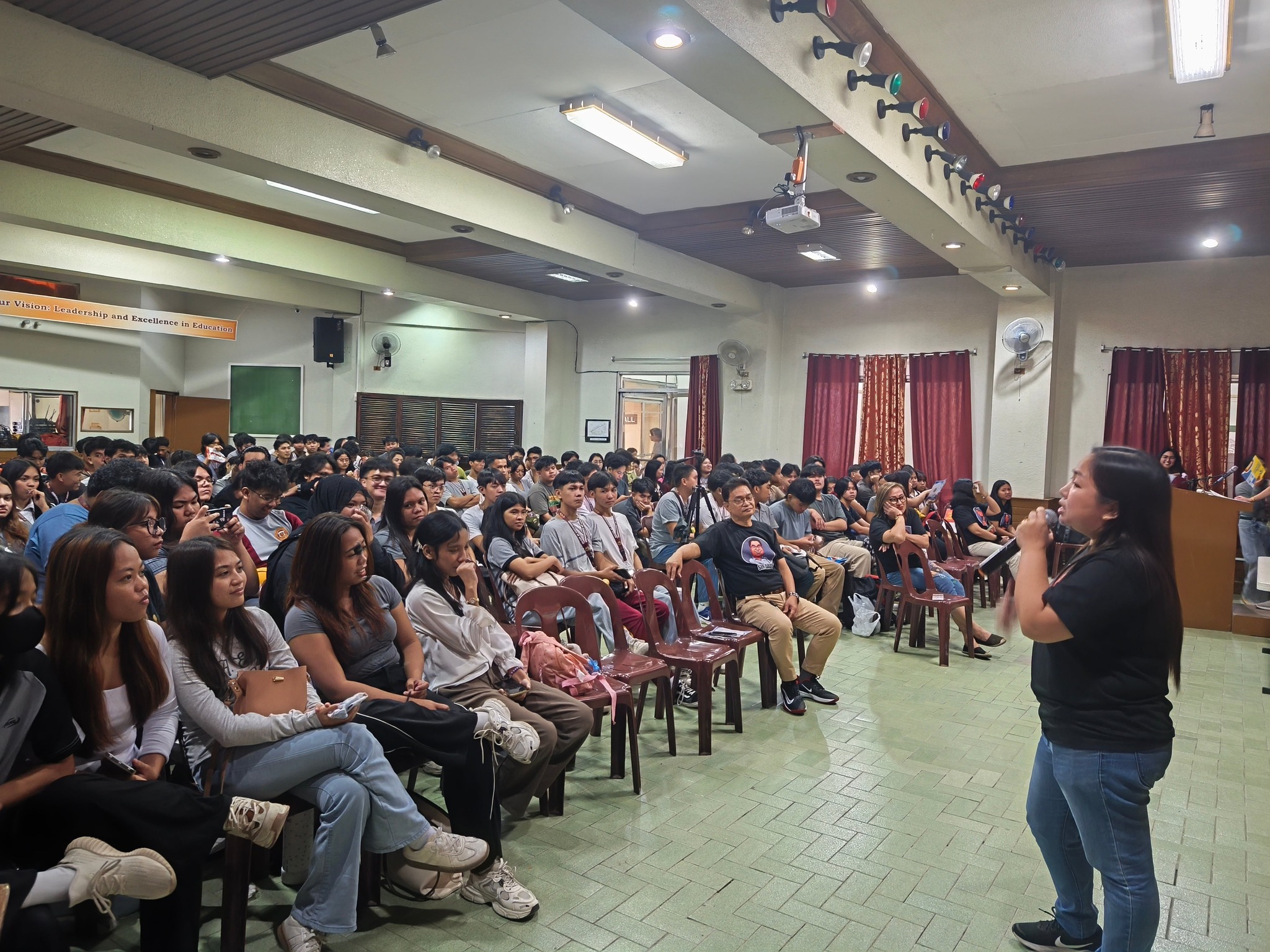
The University of Luzon’s College of Computer Studies (CCS) officially inaugurated the new academic calendar with the highly anticipated Welcome Party 2025, a vibrant and purposeful gathering that successfully brought together the student body, faculty members, and college administration. Held on Wednesday, July 16, 2025, at the expansive UL Multi-Purpose Hall from 12:30 PM to 5:00 PM, the event served as an engaging introduction for both freshmen, transferees, and returning Luzonians, transcending a mere social function to become a foundational moment for the college’s academic and communal life.
Under the guidance of the College’s dynamic leadership, headed by Dean Dr. Diosdado C. Caronongan, the Welcome Party featured a festive and well-organized program designed to instill both enthusiasm and a clear understanding of the academic road ahead. More than just a lively celebration, the occasion functioned as the departmental orientation, providing an essential platform for comprehensively introducing crucial college policies, guidelines, and expectations. This critical segment reinforced the University’s commitment to discipline, professionalism, and the high standards of academic excellence expected from all future IT/CS and computer professionals.
A key highlight of the afternoon was the introduction of the College’s diverse and active student organizations. Clubs such as the Electronic Learning Information Technology Enthusiast (ELITE), the Interactive Bloggers Society (IBS), the Web and Android Developers (WAD), and the esteemed University of Luzon Cyber Knights (ULCK) presented their respective missions and planned initiatives. These organizations play a vital role in enriching the co-curricular experience of the Luzonians, offering structured avenues for peer collaboration, leadership development, specialized skill acquisition, and hands-on learning that extends significantly beyond the boundaries of traditional lecture halls.
Furthermore, the CCS administration utilized the event to detail the key academic features and comprehensive support services available to students. Presentations covered crucial resources, including access to state-of-the-art computing laboratories, a thorough explanation of the standardized grading system, and an emphasis on industry-linked learning opportunities through mandatory field trips and specialized seminars. These provisions collectively underscore the College’s dedication to cultivating a supportive, future-ready environment tailored specifically to equip graduates with the competitive knowledge and practical skills necessary for success in the rapidly evolving technology sector. The atmosphere of camaraderie was further solidified by the faculty members, who took time to personally engage with the students, fostering a welcoming environment of accessibility and trust—a critical foundation for strong mentor-student communication throughout the academic journey. The Welcome Party 2025 was thus not merely a kickoff, but a clear affirmation of the shared goals and collective promise for growth that define the College of Computer Studies.
The successful execution of the University of Luzon College of Computer Studies Welcome Party 2025 directly contributes to the global agenda for sustainable development, specifically aligning with several United Nations Sustainable Development Goals (SDGs). By prioritizing a comprehensive orientation and establishing high academic standards, the event strongly supports SDG 4: Quality Education, ensuring inclusive and equitable quality education and promoting lifelong learning opportunities for all Luzonians. The explicit focus on industry-linked learning experiences, coupled with the specialized skill development offered by student organizations (WAD, ULCK), serves to equip students with future-ready competencies, thereby contributing to SDG 8: Decent Work and Economic Growth, which promotes sustained, inclusive, and sustainable economic growth, full and productive employment, and decent work. Moreover, the emphasis on establishing strong communication between students, faculty, and administration, along with the cultivation of student leadership through co-curricular clubs, reinforces the principle of strong institutional collaboration, touching upon the spirit of SDG 17: Partnerships for the Goals.