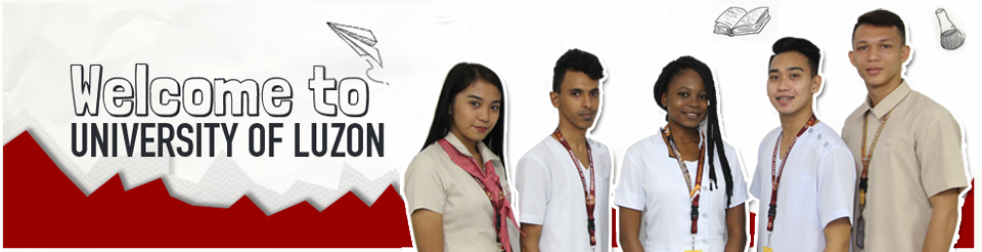
17.4.3 Education for SDGs in the Wider Community
The University of Luzon (UL) upholds a strong commitment to community development by implementing dedicated outreach and educational initiatives designed to serve the wider community—including alumni, local residents, partner communities, and various sectoral groups such as displaced and marginalized populations.
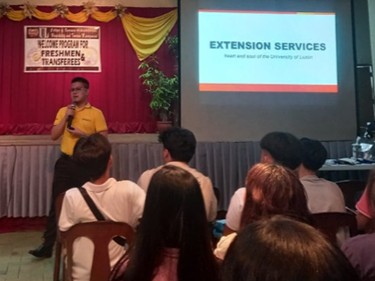
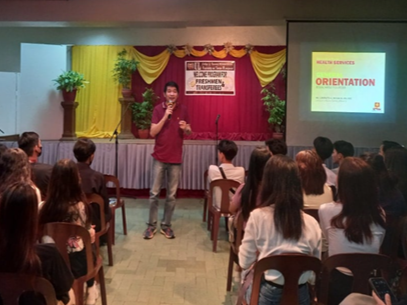
As part of this commitment, UL conducts its Annual Institutional General Orientation, a university-wide event held every year. This institutional gathering brings together faculty members, students, administrators, alumni, partner organizations, and local stakeholders. Among the key components discussed in this orientation is the Extension and Outreach Program, which provides a comprehensive overview of UL’s extension thrusts, program priorities, and opportunities for collaboration. Through this yearly event, stakeholders and community partners are invited to participate and gain a unified understanding of the university’s community engagement direction.
Guided by the United Nations Sustainable Development Goals (SDGs)—including Quality Education (SDG 4), Good Health and Well-Being (SDG 3), Decent Work and Economic Growth (SDG 8), Climate Action (SDG 13), Peace, Justice, and Strong Institutions (SDG 16), and Partnerships for the Goals (SDG 17)—UL ensures that its outreach efforts are socially responsive, community-driven, and aligned with sustainable development priorities.
UL’s outreach initiatives extend far beyond the campus and include:
- Livelihood and entrepreneurship training programs
- Capability-building and leadership seminars
- Environmental awareness and climate action campaigns
- Digital literacy and technology access activities
- Health and wellness education
- Disaster preparedness and resilience training
These programs actively involve alumni, local residents, government and non-government agencies, schools, and partner communities. By continuously expanding its community initiatives, the University of Luzon strengthens social responsibility, empowers local sectors, and contributes to sustainable national development.
Event Photos