University of Luzon Builds Stronger Peer Support Through PeerKada Vibe Training
Posted on 14th of Sep 2026 by UL Administrator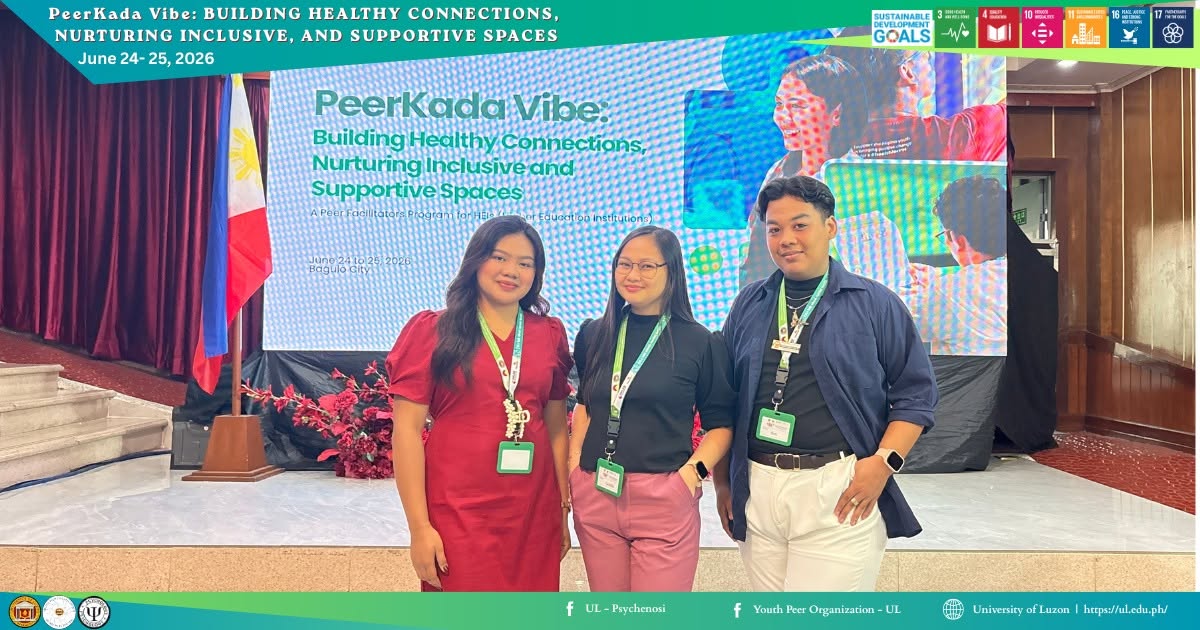
Representatives from the University of Luzon strengthened their knowledge and practical skills in peer support through a two-day training focused on mental health, healthy communication, and inclusive student spaces.
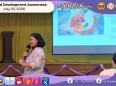
The activity, titled PeerKada Vibe: Building Healthy Connections, Nurturing Inclusive and Supportive Spaces Training of Trainers, was held on June 24–25, 2026, at 456 Hotel in Baguio City. It was organized by the Commission on Higher Education (CHED) in partnership with Unilab Foundation through HeadsUpPH.
Representing the University of Luzon were Ms. Camilla D. Fernandez, YPO Adviser, together with student leaders Justine Margarette Calimoso and Kenneth Paul Ferrer from the College of Liberal Arts. Their participation provided an opportunity to strengthen professional training in peer facilitation, mental health literacy, active listening, healthy communication, crisis response, and referral systems.
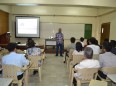
The trainees took part in interactive workshops, expert-led discussions, role-playing activities, and action planning sessions with representatives from Higher Education Institutions across Regions I, II, III, the National Capital Region, and the Cordillera Administrative Region. These learning activities encouraged social responsibility, collaboration, and practical approaches to creating supportive spaces within the school environment.
The experience further supports the Youth Peer Organization’s work in promoting a humanistic approach to student support. Through peer advocacy and community engagement, the organization helps develop a learning environment where students can seek help, listen to one another, and contribute to a culture of care.
Stronger peer support also contributes to broader goals for student well-being and inclusive education. The University of Luzon’s participation advances the United Nations Sustainable Development Goals through student development and community engagement. SDG 3: Good Health and Well-Being is supported by promoting mental health awareness and peer support. SDG 4: Quality Education is advanced through learning and skills-building opportunities for student leaders. SDG 10: Reduced Inequalities is reflected in efforts to create inclusive and supportive spaces for students. SDG 16: Peace, Justice and Strong Institutions is strengthened through safe spaces and responsible student participation.