University of Luzon Strengthens International Engagement Through Canada–Philippines Higher Education Forum
Posted on 8th of Sep 2026 by UL Administrator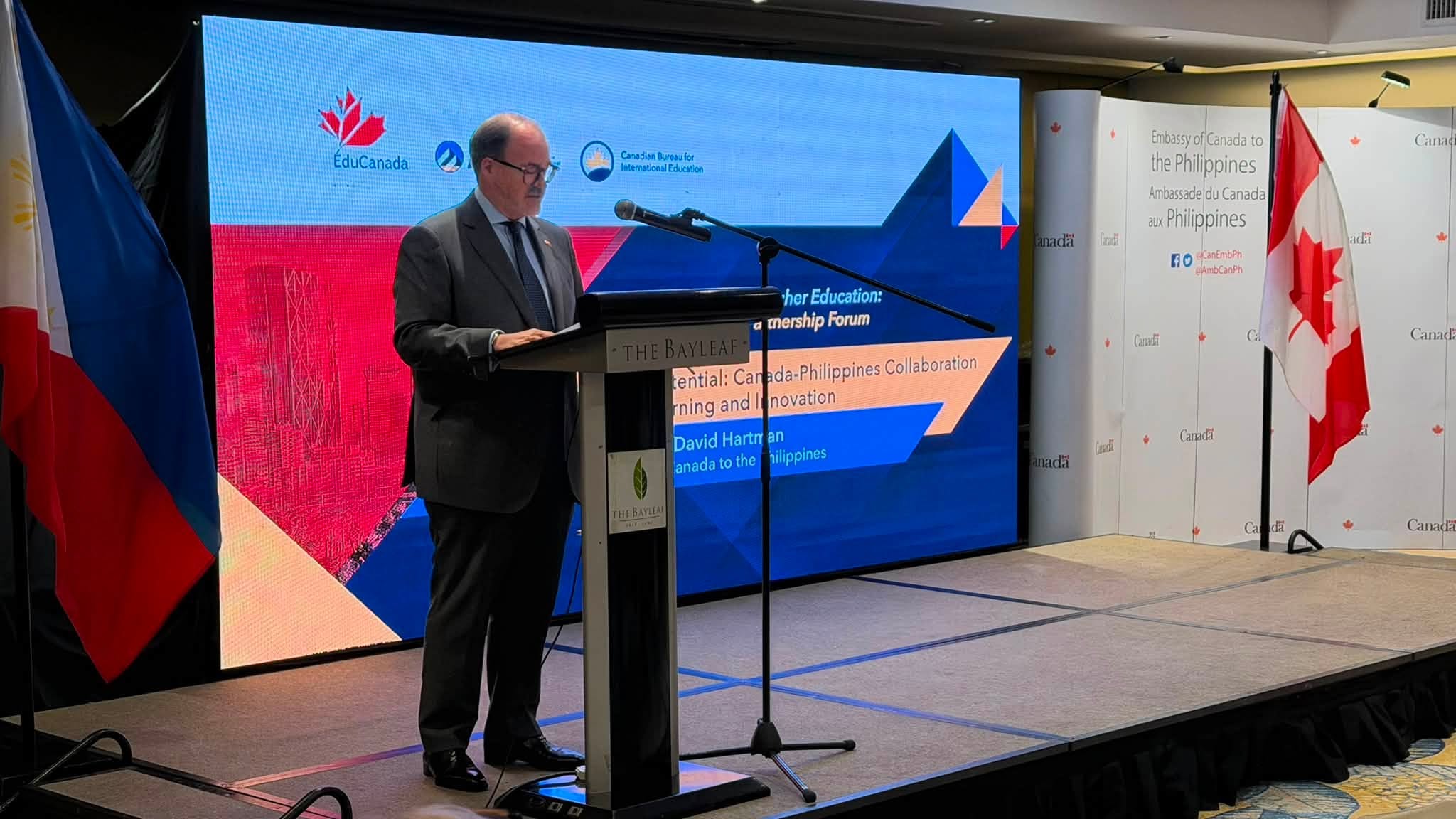
International academic engagement continues to create opportunities for learning, skills development, and global exposure for the University of Luzon through its participation in the Building Bridges in Higher Education: Canada–Philippines Partnership Forum. The event explored transnational education, academic mobility, faculty development, applied research, innovation, and workforce-responsive programs.
Held on March 2, 2026, at The Bayleaf Hotel in Intramuros, Manila, the forum brought together higher education leaders, internationalization officers, and representatives from Canadian and Philippine institutions. Their discussions highlighted ways to strengthen cross-border cooperation and expand opportunities in higher education.
Representing UL, Prof. Angel S. Reyna Jr. took part in the discussions. The forum was organized by the Embassy of Canada in the Philippines in partnership with the Canadian Bureau for International Education (CBIE) and the Alberta Bureau for International Education (ABIE).
The engagement also strengthened UL’s partnership with New Brunswick Community College (NBCC), Canada. Initial talks began in Quebec City and later led to the signing of a Memorandum of Understanding in the Philippines, providing a foundation for academic cooperation, student mobility, and joint programs.
Prof. Reyna and Mr. Shawn Ethier of NBCC discussed the next steps for their institutions, including updates on the Canada-ASEAN Scholarships and Educational Exchanges for Development (SEED) Program. Two UL students were later nominated for scholarship opportunities at NBCC. Both institutions also explored a potential renewable energy workforce development consortium focused on wind and solar technologies, which could support innovation and future-ready skills in Electrical Engineering education.
International engagement can support learning, innovation, and sustainable development. It advances SDG 4: Quality Education by providing professional education and international learning opportunities. It supports SDG 9: Industry, Innovation and Infrastructure by developing skills related to renewable energy technologies and innovation. It advances SDG 17: Partnerships for the Goals by strengthening institutional networks and shared academic initiatives.